


Particle foams combine light weight and stability with material- and application-specific sustainability considerations in an impressive way. Targeted material selection, energy-efficient manufacturing processes, and well-thought-out recyclability make these materials true all-rounders — flexible, high-performing, and future-oriented. Innovative hybrid solutions and digital process chains open up additional possibilities for making products even more durable and resource-efficient. In this way, particle foams can make a positive contribution to a more efficient use of resources.
Every Particle Counts
Particle Foams in the Circular Economy
Particle foams and their recycling are gaining increasing importance. Growing environmental awareness, ambitious climate targets, and the vision of a functioning circular economy provide a strong foundation for advancing strategies for the efficient and cost-effective recycling of particle foams — and for unlocking new potential.

Trends, Materials and Innovations.
The Future of Particle Foams
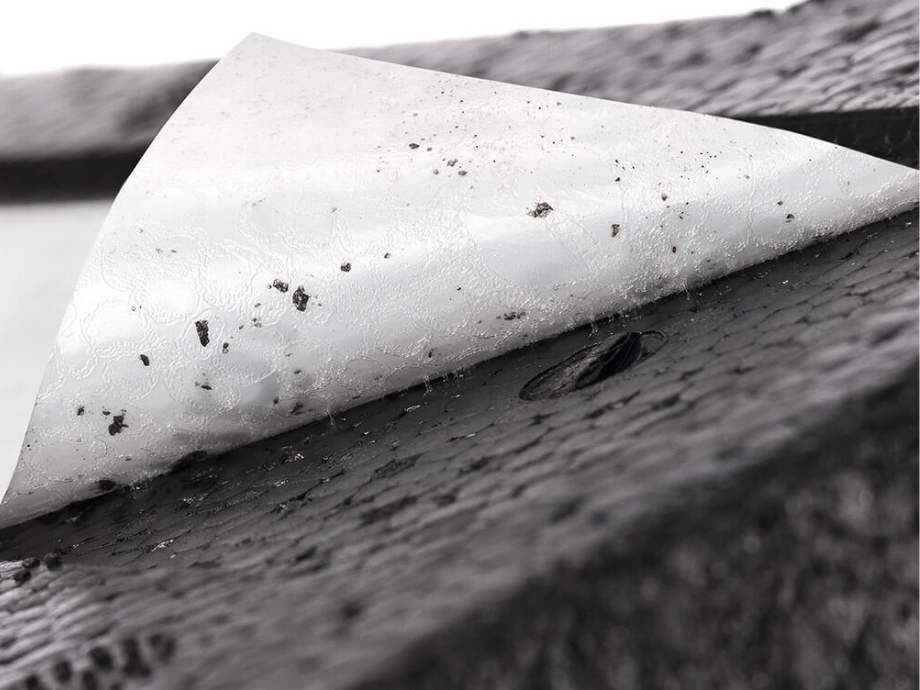
The future of particle foams looks promising: the circular economy, innovative material systems, and growing performance demands are opening up new opportunities and driving the further development of these versatile materials.
A key approach is the increasing use of recyclates alongside the development of recycling-friendly product designs. This is complemented by bio-based and alternative material systems that broaden the available range of materials and unlock additional application possibilities in specific fields of use.
At the same time, demand for high-performance foams in demanding applications is growing — such as in aerospace, medical technology, and electronics. These foams withstand high temperatures, chemical stress, and mechanical loads, enabling components that meet the highest requirements.
Functionalization and the integration of hybrid solutions also offer exciting possibilities:
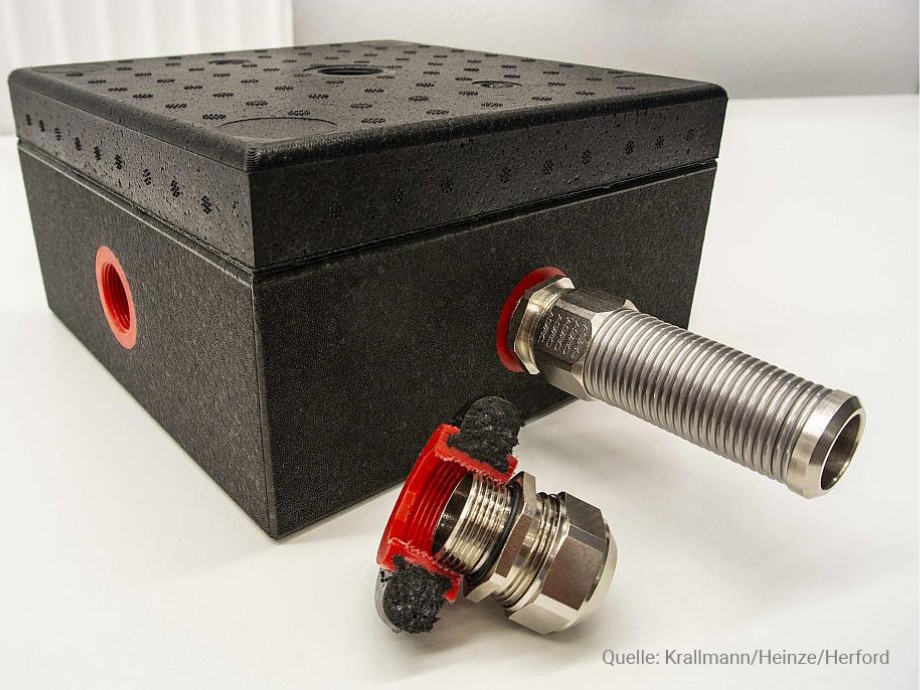
- Particle foams can be back-foamed or over-foamed
- Electronic components, inserts, fasteners, and hinges can be directly integrated
- Mono-material composites improve the recyclability of products
By considering recyclability early in the product design process, material cycles can be supported in a targeted and effective way.
Where Technology Meets the Future
Digital Innovations in Particle Foam Production
Digitalization is opening up new opportunities for particle foam production. Digital process chains, simulations, and data-driven process control enable more precise manufacturing, greater stability, and improved product traceability. Artificial intelligence and machine learning methods offer significant potential here: they allow for real-time quality monitoring, help optimize production processes, and contribute to actively reducing the CO₂ footprint.

You need to load content from reCAPTCHA to submit the form. Please note that doing so will share data with third-party providers.
More InformationYou are currently viewing a placeholder content from Turnstile. To access the actual content, click the button below. Please note that doing so will share data with third-party providers.
More Information