
Particle Foam Association

Particle foams hold enormous, yet largely untapped potential for a wide range of industries. They have the ability to fundamentally transform sustainable design and innovation. But their value remains largely unknown—and we want to change that.

We bring together expertise from science, engineering, and real-world applications, connect experts across industries and national borders, and make the potential of particle foams visible.

This demonstrates how the smallest particles can make a big impact and help shape the world of tomorrow.
The World of Particle Foams

Small Particles, Maximum Power

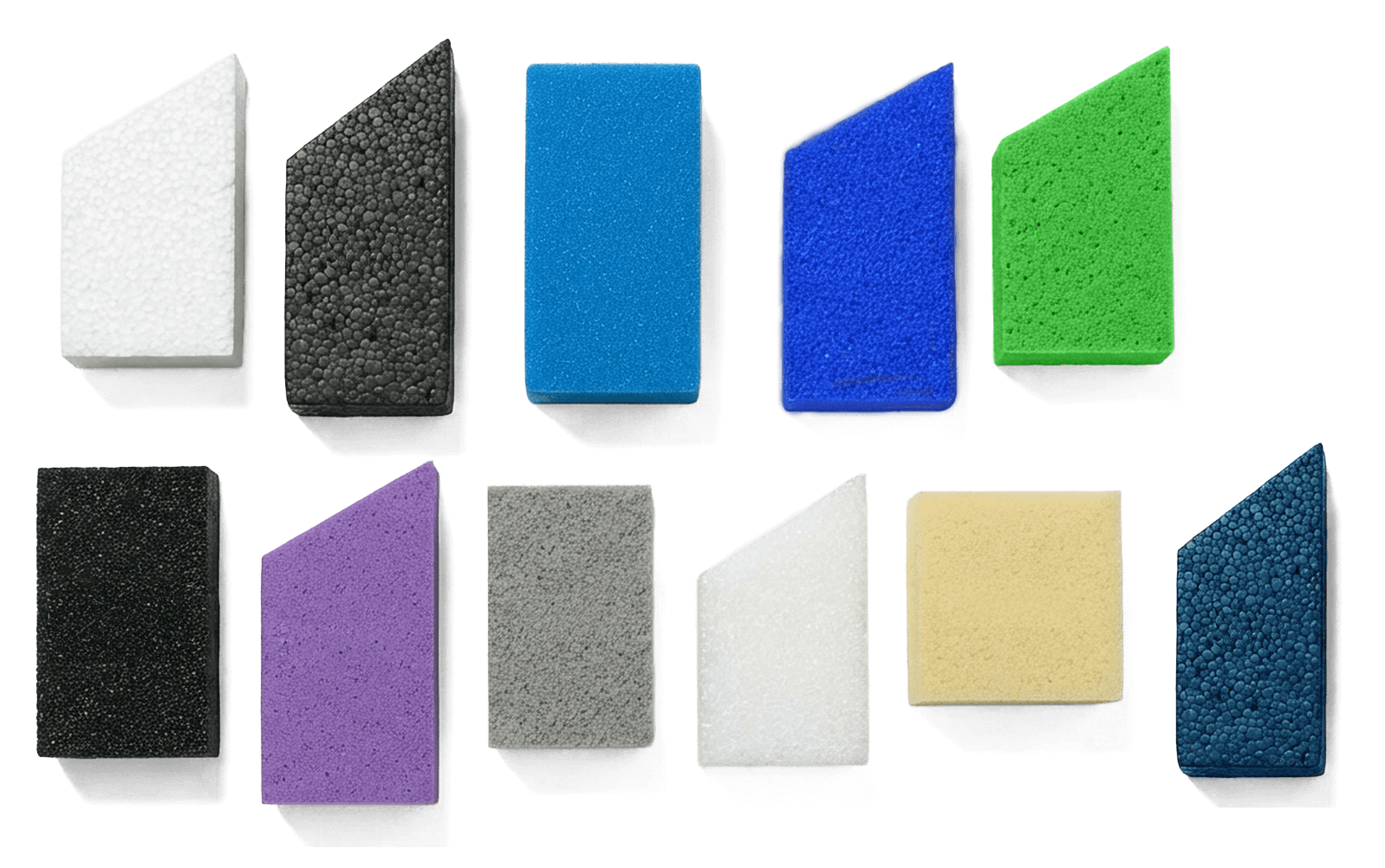
Temperatureresistant, extremely lightweight, mouldable and durable. Particle foams combine properties that make them particularly attractive for countless applications. Discover how versatile these materials are and why they enable new solutions in an increasing number of industries.

EPS (Expanded Polystyrene)

EPS is the most widely used particle foam in the world. This closed-cell foam consists of approximately 98% air, is extremely lightweight, and offers excellent insulation and protective properties—making it perfect for packaging and construction applications.

EPP (Expanded Polypropylene)

EPP is a lightweight yet highly durable cellular foam. The material is elastic, energy-absorbing, and dimensionally stable, and can withstand repeated stress. EPP is frequently used for components subject to impact in automotive manufacturing, packaging, and technical applications.

EPE (Expanded Polyethylene)

EPE is a lightweight, flexible, and shock-absorbing cellular foam. The material remains elastic even at low temperatures and offers reliable impact resistance. It is primarily used for protective packaging and custom-fit shipping solutions.

ETPU (Expanded Thermoplastic Polyurethane)

ETPU is a highly elastic and durable open-cell foam. The material effectively absorbs shocks while simultaneously returning energy. Typical applications include sports products, shoe soles, and components subjected to dynamic loads.

EPLA (Expanded Polylactide)

EPLA is a bio-based particle foam made from renewable raw materials such as cornstarch or sugarcane. The material is industrially biodegradable and offers a sustainable alternative to traditional foams. It can be easily processed using standard molding techniques.

EPS/PE—Hybrid Foam (Expanded Polystyrene and Polyethylene)

EPS/PE hybrid foam combines the rigidity and insulating properties of EPS with the elasticity and abrasion resistance of PE. The result is a lightweight, dimensionally stable, and shock-absorbing particle foam. It is suitable for rugged protective packaging and technical applications.

ETPE (Expanded Thermoplastic Elastomers)

ETPE is an elastic particle foam based on thermoplastic elastomers. The material combines rubber-like flexibility with high resilience and dynamic energy absorption. It is used in applications where comfort, elasticity, and durability are required.

EmPPE (Expanded m‑polyphenylene ether)

EmPPE is a high-performance particle foam with excellent heat resistance and thermal insulation properties. The material is very lightweight, flame-retardant, and chemically resistant. It is frequently used in electronics and high-temperature applications.

EPET (Expanded Polyethylene Terephthalate)

EPET is a high-performance particle foam with excellent heat resistance and structural stability. The material combines low weight with reliable insulation properties. Typical applications include lightweight engineering, as well as the mobility and energy sectors.

EPA (Expanded Polyamide)

EPA is a high-performance polyamide-based cellular foam with high stiffness and compressive strength. The material retains its shape even under high temperatures and mechanical stress. It is particularly suitable for demanding technical applications in lightweight construction.

EPHBH (Expanded biobased PHBH-Particle Foam)

EPHBH is a bio-based particle foam produced through microbial fermentation. The material is biodegradable and offers a particularly eco-friendly alternative to petroleum-based foams.

Application Areas

Endless Ideas, Major Impact

Particle foams are used in a wide variety of sectors and applications. They simplify lightweight construction, enhance the durability of products, improve insulation and simultaneously offer flexible design possibilities.

All Applications

Automotive and Lightweight Construction

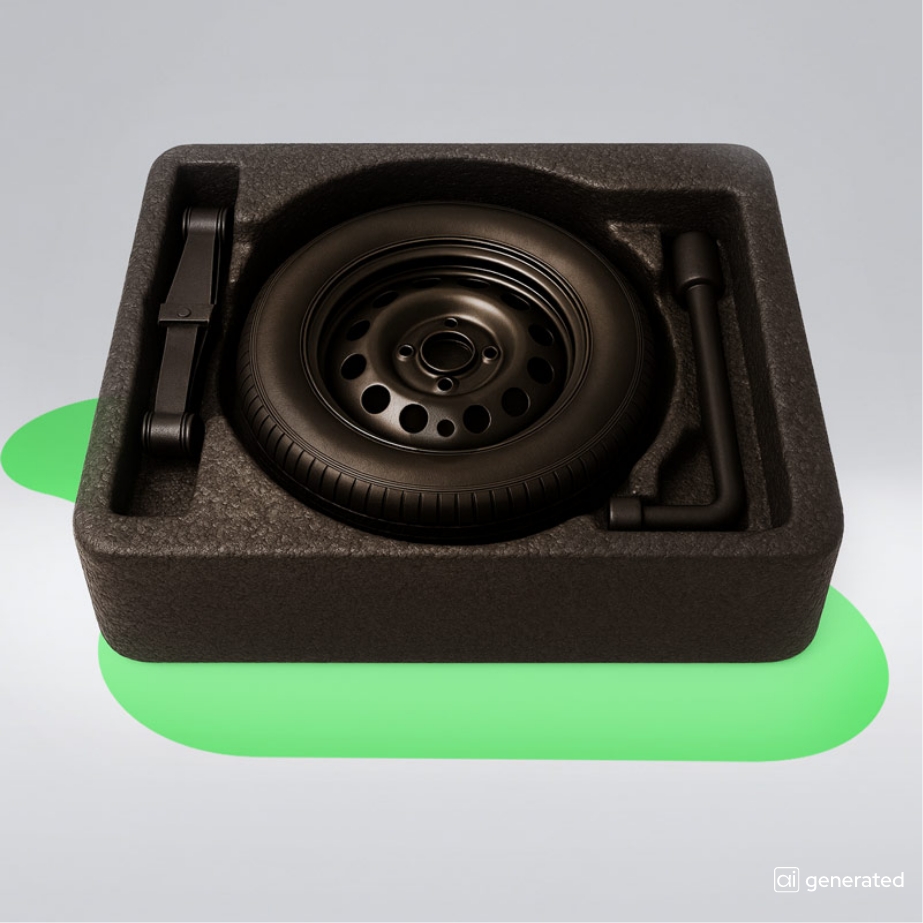
Lightweight, energyabsorbing particle foam materials make vehicles safer and more comfortable. As lightweight components, they combine stability, efficiency and driving comfort.

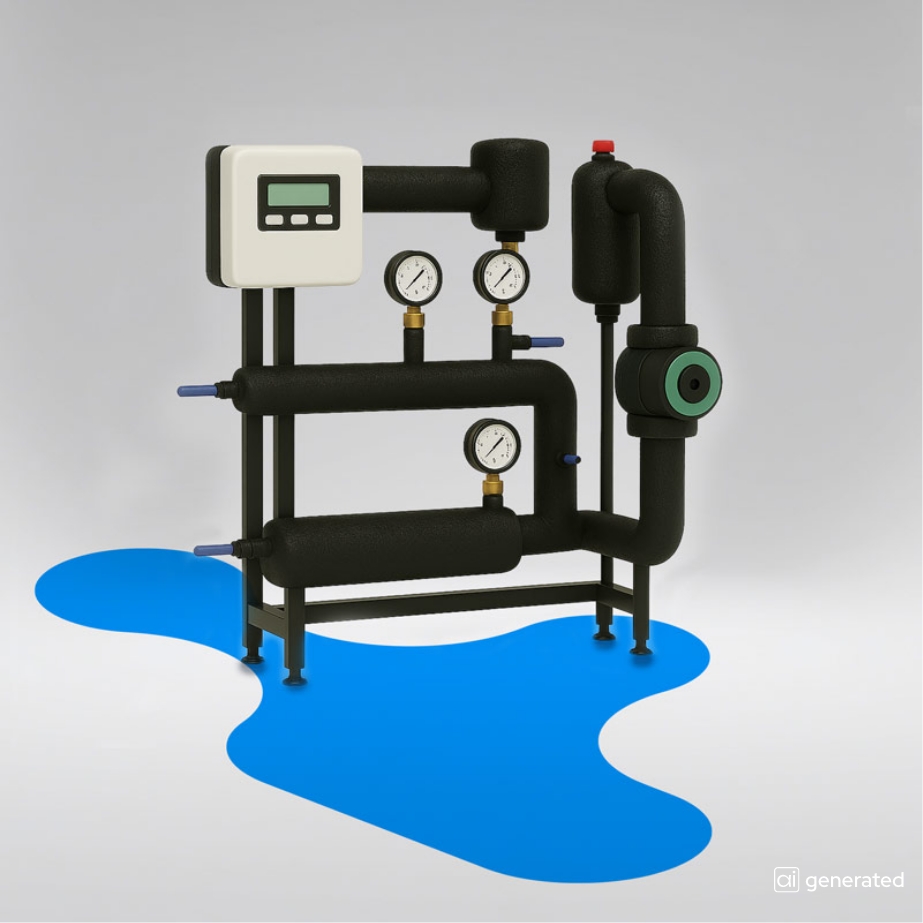
Heating, Insulation, and Ventilation

Particle foams contribute to efficient thermal management and noise reduction. They support longlasting, reliable heating and ventilation systems and help save energy in a targeted manner.

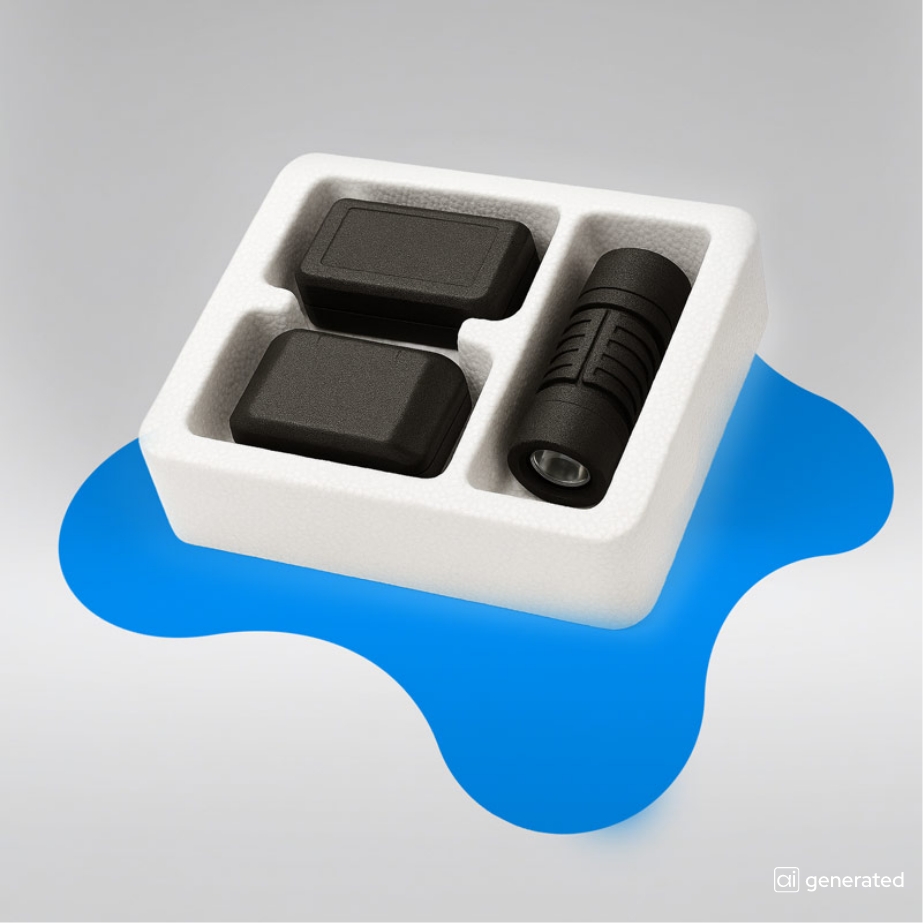
Logistics and Packaging

Particle foam applications protect sensitive goods during transportion and storage. Their reusability makes an important contribution to sustainable packaging solutions.

Medizintechnik

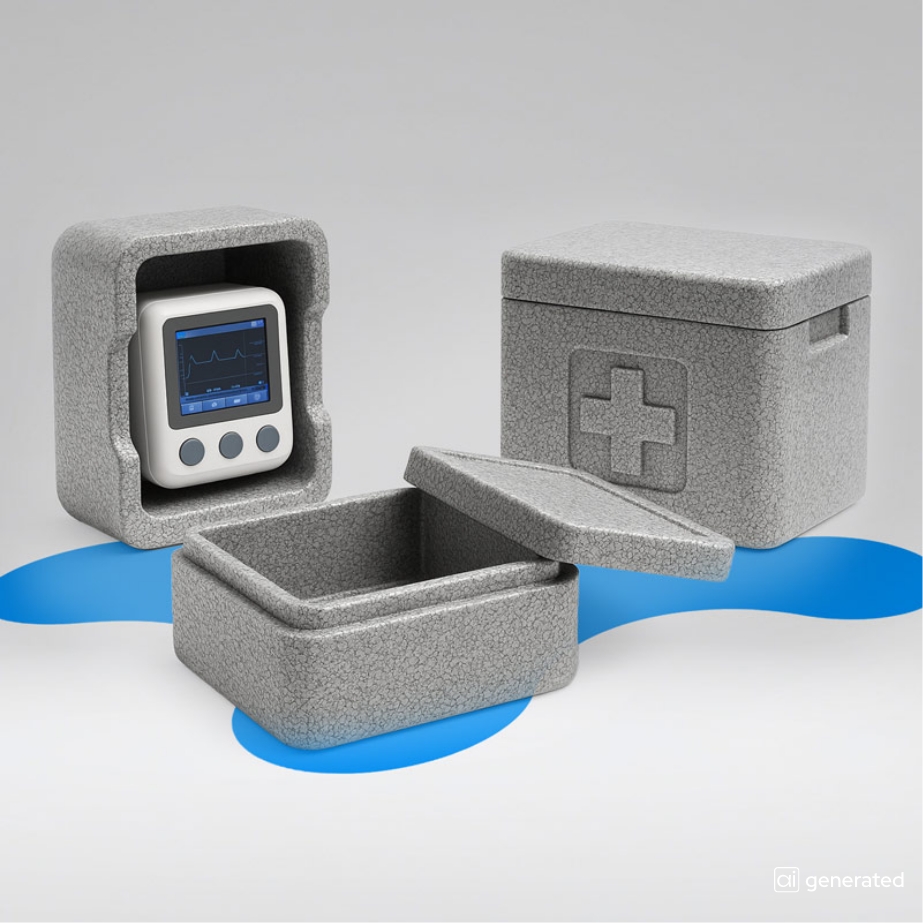
Medical Technology

Temperature stability and protection of sensitive products are essential in clinics, laboratories and transport. Particle foam solutions are used precisely here to ensure safety and functionality.

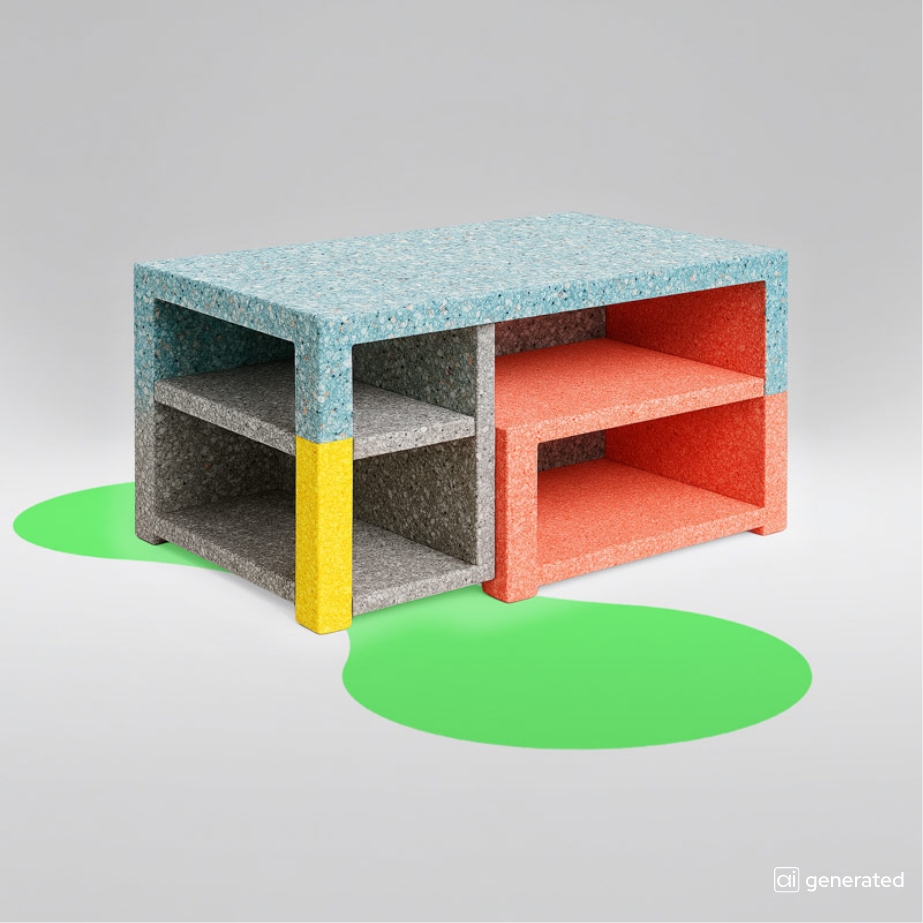
Furniture and Design

Particle foams open creative possibilities in furniture and design objects. Being lightweight, stable, and durable, they enable functional and visually appealing furniture and design objects.

Particle Foam Association Einsatzgebiete Spielwaren Sport Freizeit

Sports, Toys, and Leisure

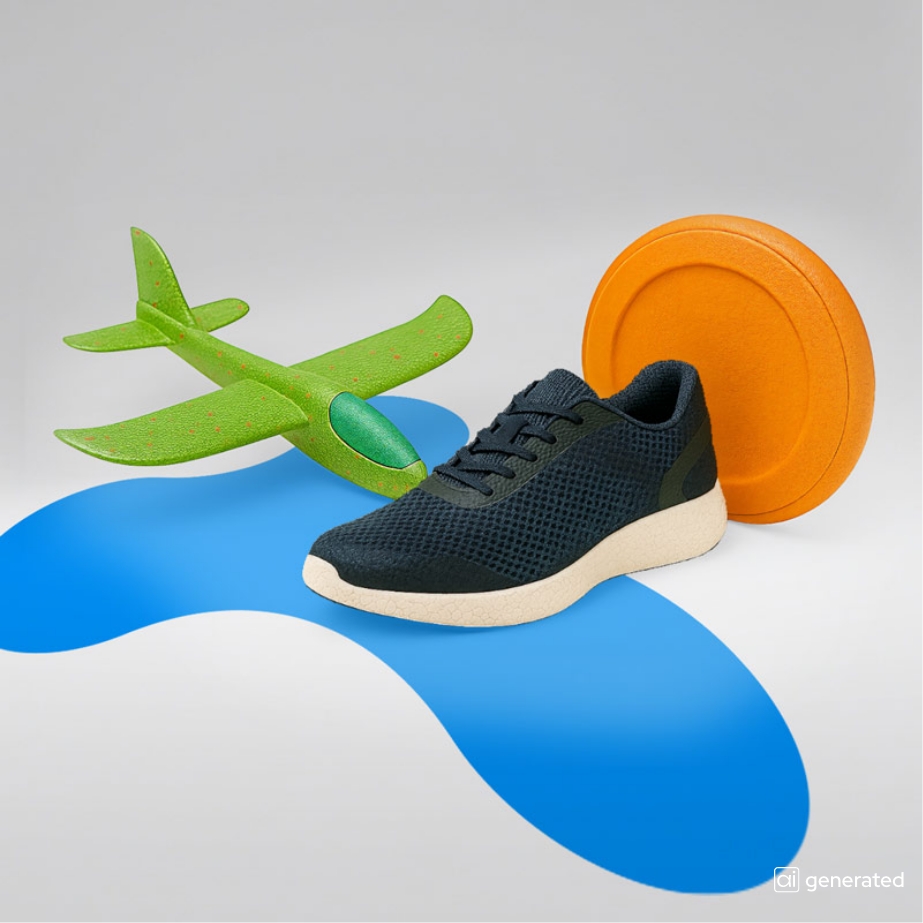
Shockabsorbing, lightweight and durable–particle foams are used to make toys, sports or leisure products safe and versatile.

For Our Environment

Sustainable by Design

Particle foams combine performance with resource efficiency. They are lightweight, durable, and energy efficient in production, making them an important contributor to sustainable products and a functioning circular economy.

Find out more about sustainability

Members and Supporters

Shaping the Future Together

Companies and institutions from manufacturing, processing, mechanical engineering, design and science combine their knowhow within the Particle Foam Association.

The diversity of our members enables interdisciplinary exchange, promotes innovative ideas and opens up new opportunities for the use of different particle foams.

Neue Materialien Bayreuth Logo

About Us

A Platform for Particles and People

Since 2006, our platform has been the goto place for everyone working with particle foams. We bring together expertise from research, industry and practical applications, and promote exchange across materials, processes and applications.

Our strength lies in the diversity of our members and their perspectives. Through international collaboration, open knowledge exchange and responsible action, we develop sustainable solutions.

Get to know the Particle Foam Association

News

Foam in Focus

Current developments, exciting projects and news from the world of particle foams—our news section gathers information from research, industry and our network. Here you’ll find trends, events and key initiatives.

Aus dem EPP-Forum wird die Particle Foam Association (PFA)
13. November 2025
EPP Forum Becomes Particle Foam Association
Read more

Questions?

We’re Here for You

Contact

Particle Foam Association e. V.
Gottlieb-Keim-Straße 6095448 Bayreuth

+49 921 507 36 118
info@particle-foam.com

Let’s connect


Newsletter

Subscribe now